For generations of hockey lore, the path to Stanley Cup immortality was etched by solitary, iron-willed netminders: Martin Brodeur playing 75 regular-season games followed by 25 grueling playoff starts, Patrick Roy refusing to leave the crease, or Dominik Hasek carrying entire franchises on their backs. But in the modern, ultra-fast NHL, that romantic concept is officially extinct.
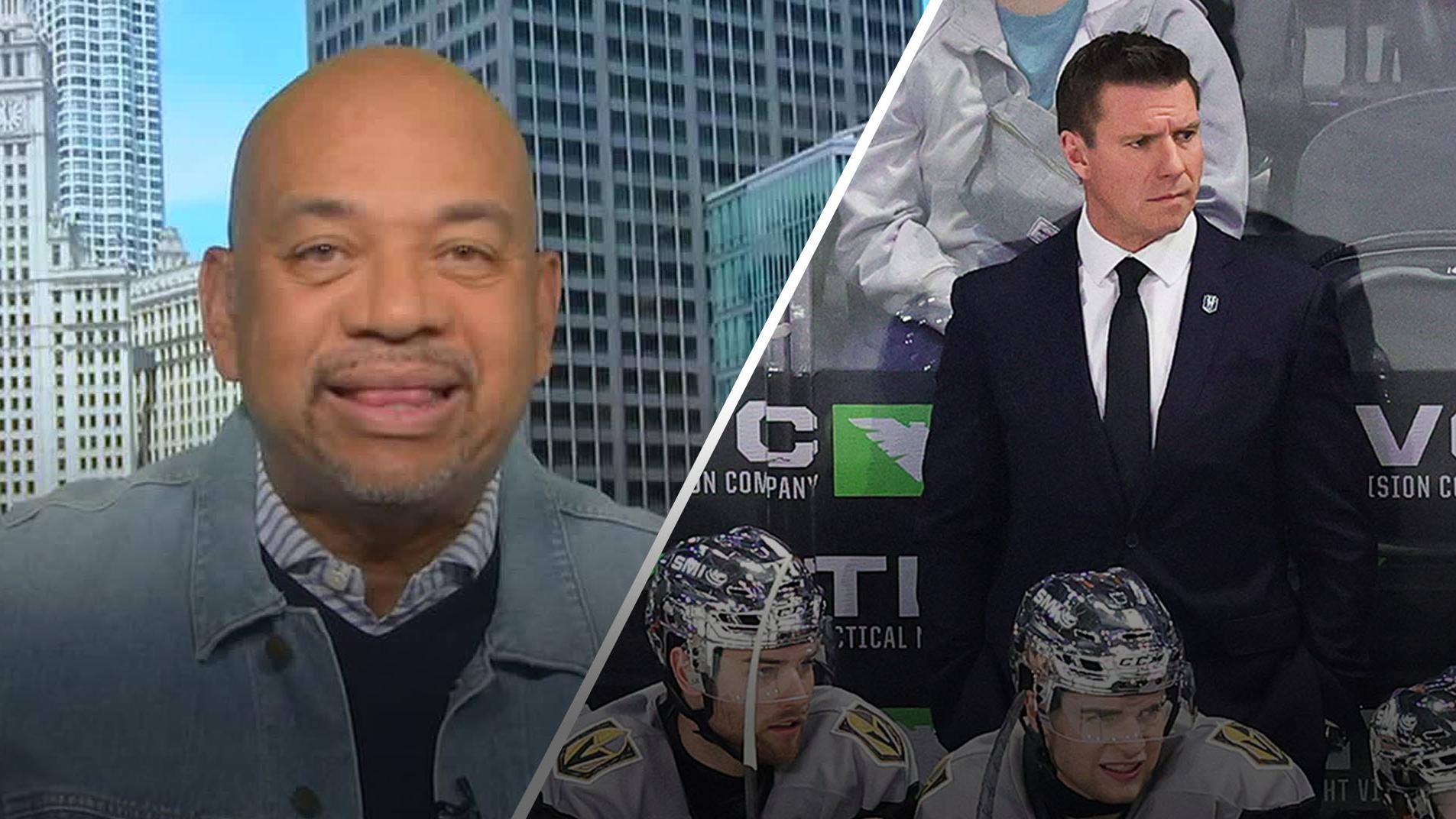
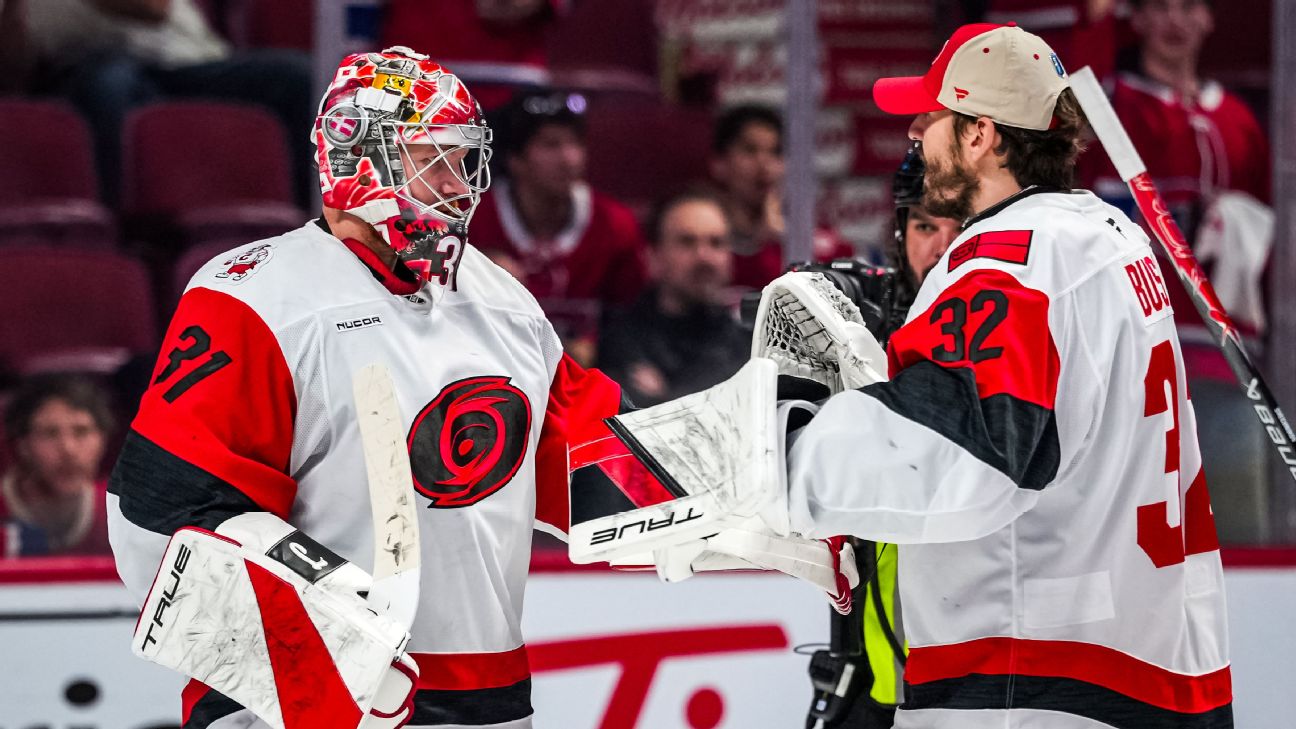
Both 2026 Stanley Cup finalists—the Carolina Hurricanes (Frederik Andersen and Pyotr Kochetkov) and the Vegas Golden Knights (Adin Hill and Carter Hart)—have reached the championship round by deploying disciplined two-goalie tandems, proving that fresh legs and workload management triumph over traditional workhorse dogmatism.
The Physics of the Modern Goalie Position
Sports science and tracking technology have revealed the brutal physiological toll placed on modern netminders. The butterfly slide, rapid lateral post-to-post pushes, and high-velocity screen deflections generate massive compressive forces on the hips and groin:
- High-Danger Lateral Fatigue: Goaltenders playing more than 60 games show a 7.4% decline in high-danger save percentage during the second half of back-to-back games.
- Complementary Skillsets: Teams pair athletic, aggressive visual-tracking goaltenders with calm, positional blocking netminders, tailoring starting assignments to opponent rush tendencies.
"The days of playing one guy 72 games and expecting him to be sharp in the third overtime of Game 7 in June are over. If you don't have two capable NHL starters, you don't have a championship team."
— NHL Goaltending Coach